





You’ve Seen The Spain’s Highlights. Here’s Where to Go Next.
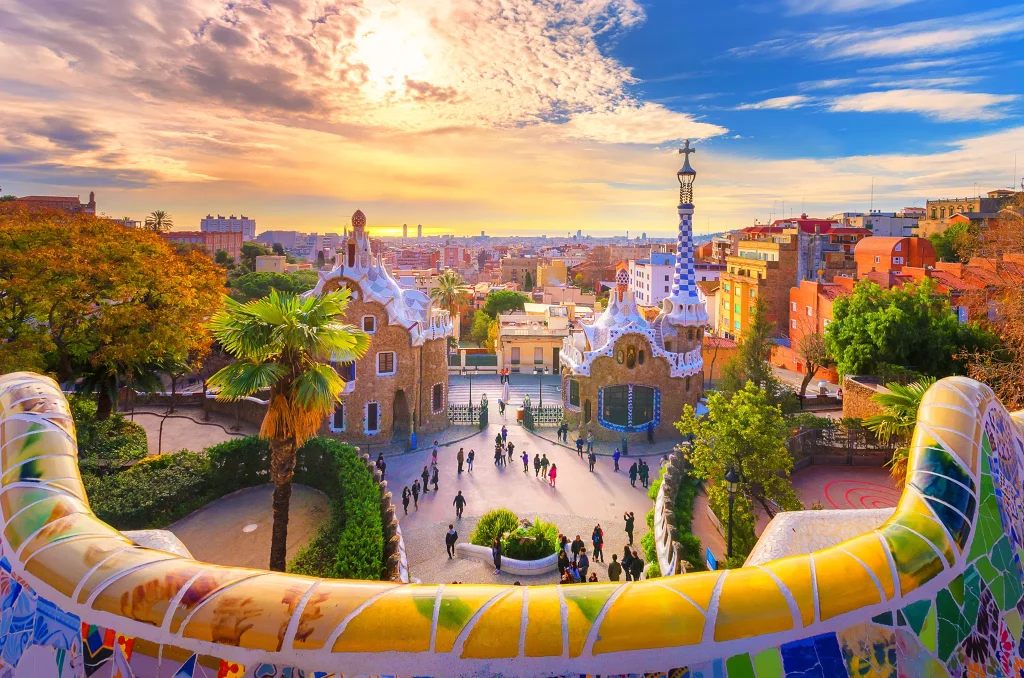
Spain experienced an all-time high in international visitors last year, leading to noticeable overtourism in popular destinations highlighted in most guidebooks. This includes Barcelona’s Gaudí trail, Madrid’s Prado Museum, Seville’s flamenco shows, and Granada’s Alhambra. If you’ve already explored these major attractions, there’s plenty more to discover. The country’s most rewarding regions are often those that are less crowded.
Here’s some of the regions we’d send you next.
Castile & León: Golden Cities with no queues


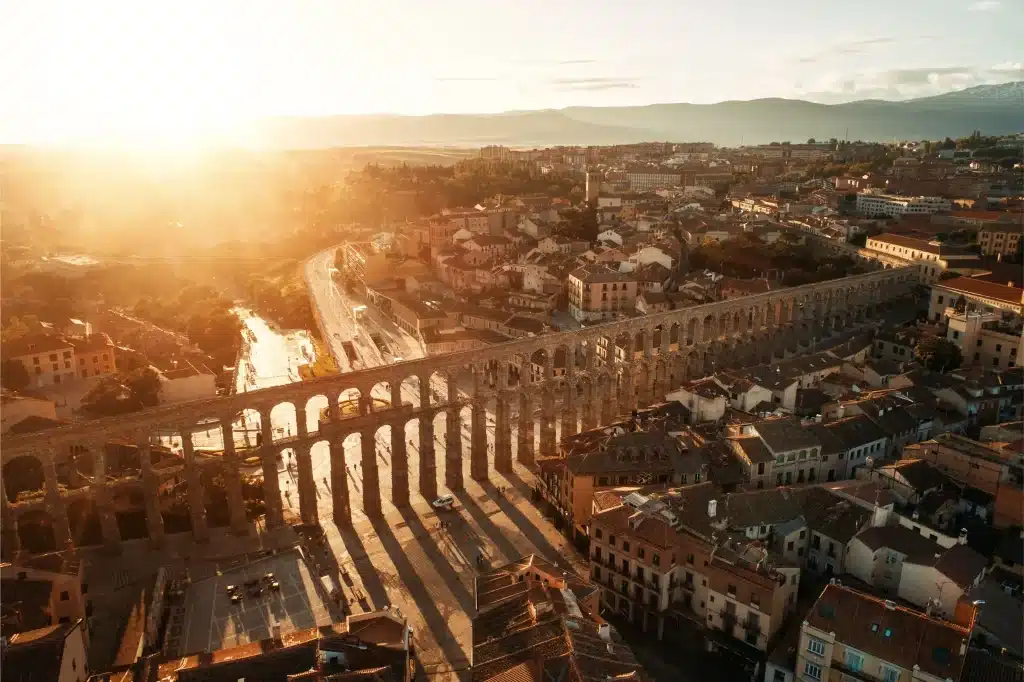
Just an hour or two inland from Madrid and you’ll find a handful of cities built from the same warm, honey-coloured stone. They’re old, they’re beautiful, and almost nobody stops here.
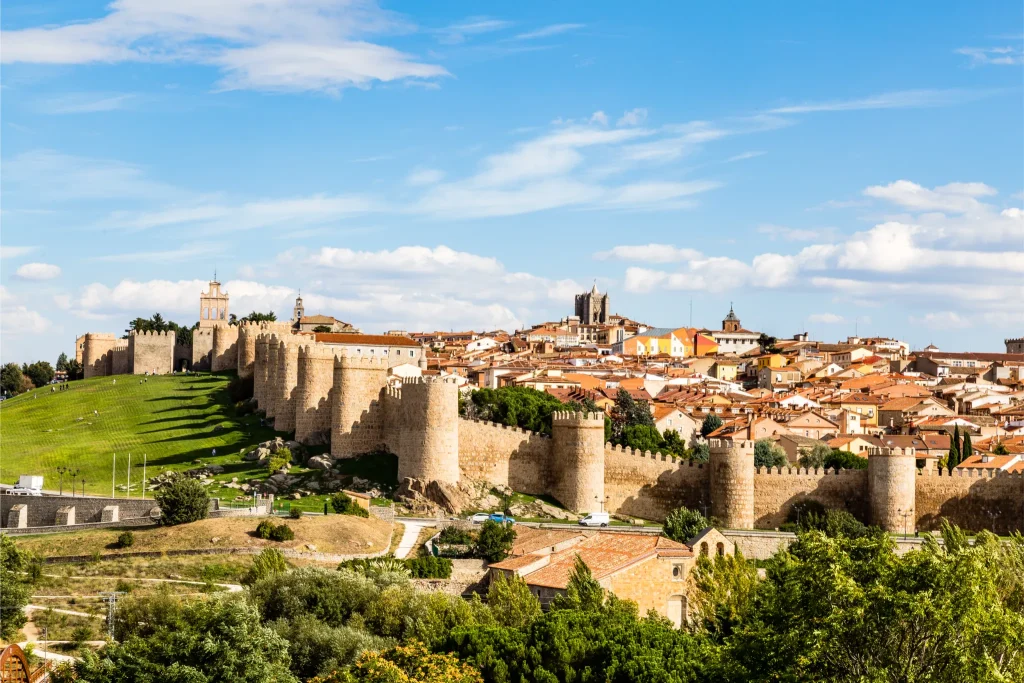
Start with Salamanca. It’s been a university city since 1218, and its old town is one long stretch of Renaissance architecture around a cathedral that took four hundred years to finish. Then there’s Ávila, still wrapped in its complete medieval walls, and Segovia, where a Roman aqueduct has stood without a drop of mortar for two thousand years.
Already know Madrid? Travel beyond
We’d suggest Historic Salamanca, a five-day introduction to the city and its surrounding villages. Want to see all three cities properly, plus Burgos? Castile & León Highlights does that over seven days.
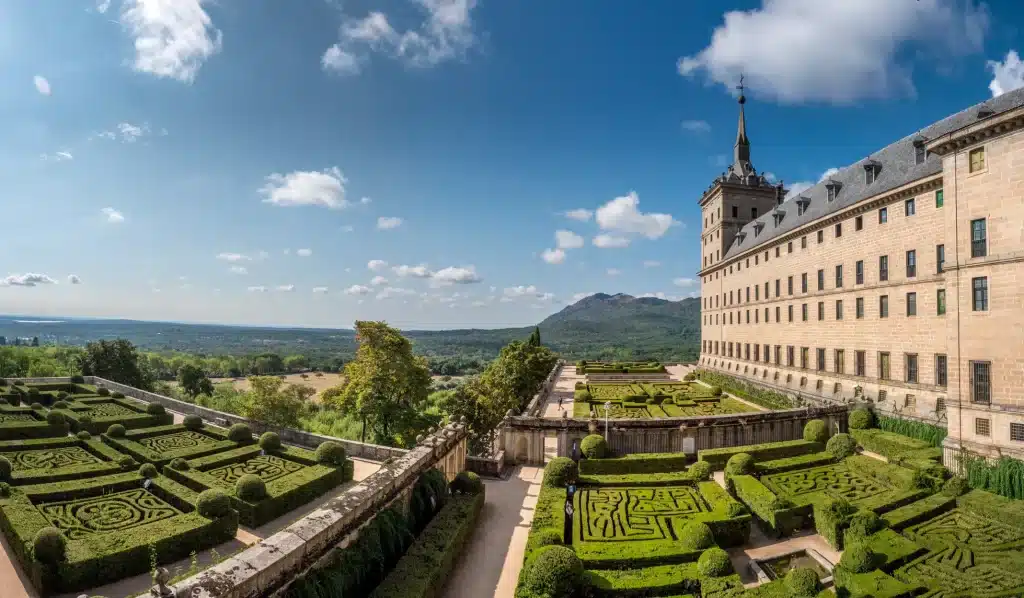
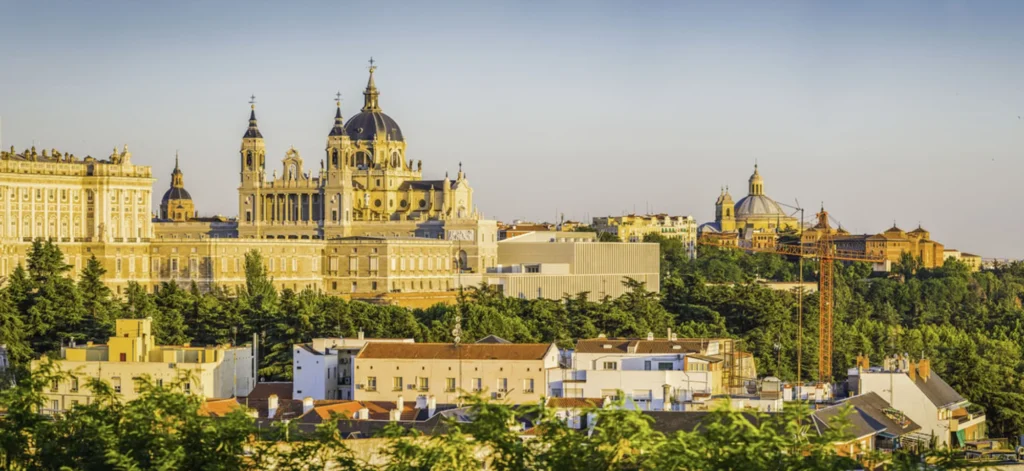
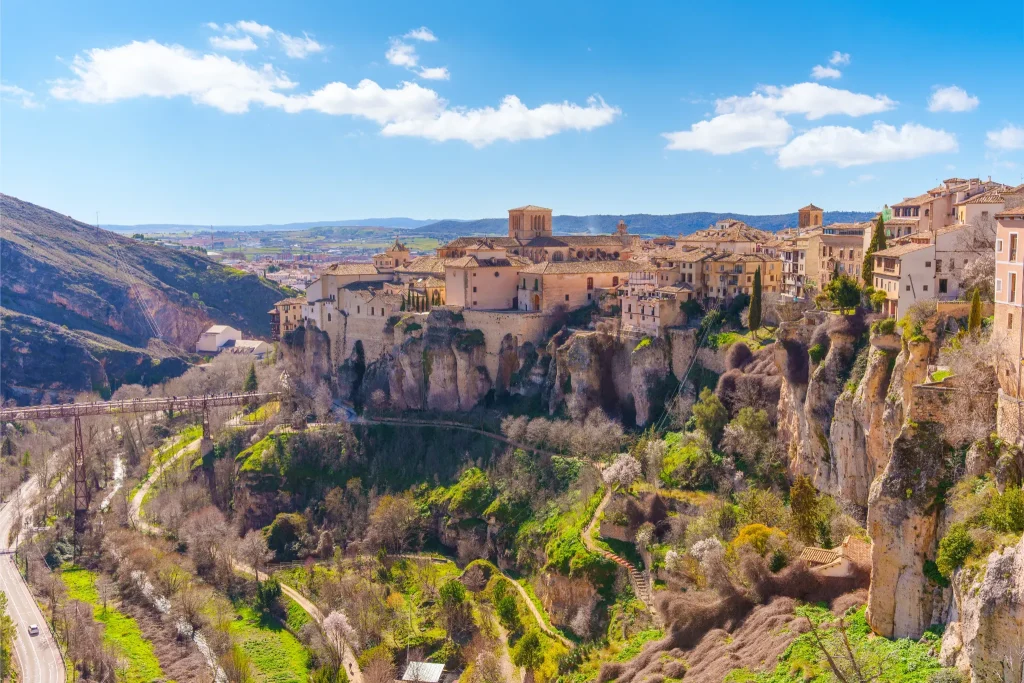
If you’ve done Madrid’s big sights and you’re not quite ready for a whole new region, there’s a lot sitting quietly on its doorstep. El Escorial is a UNESCO-listed monastery and royal palace less than an hour away. Cuenca is further out, but a high-speed train gets you there easily, and its “hanging houses” perched over a gorge are unlike anywhere else in Spain.
Madrid & Surrounds is built for exactly this — five days for people who’ve already seen Madrid and want to see what’s around it.
Spain’s Basque Country: cooler, greener, food-obsessed
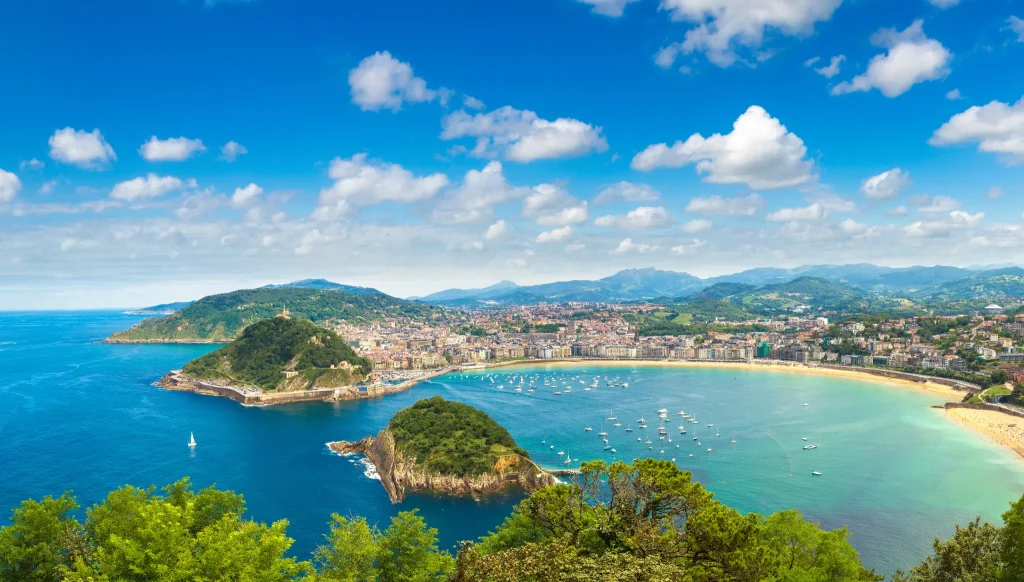


Andalusia gave you Spain’s Moorish south. The north is a different country entirely.
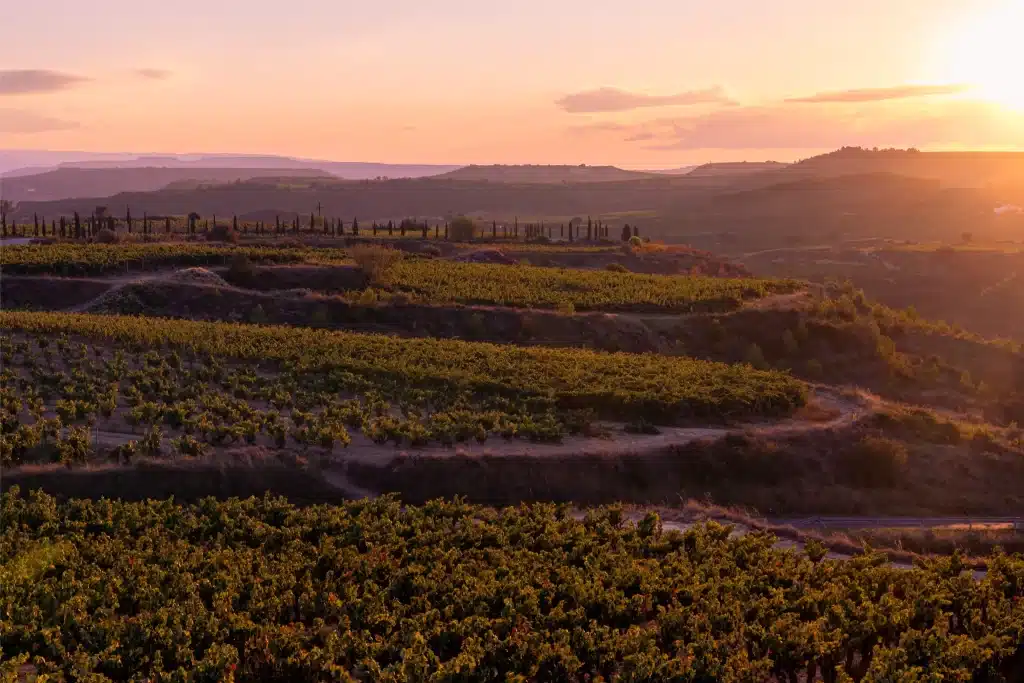
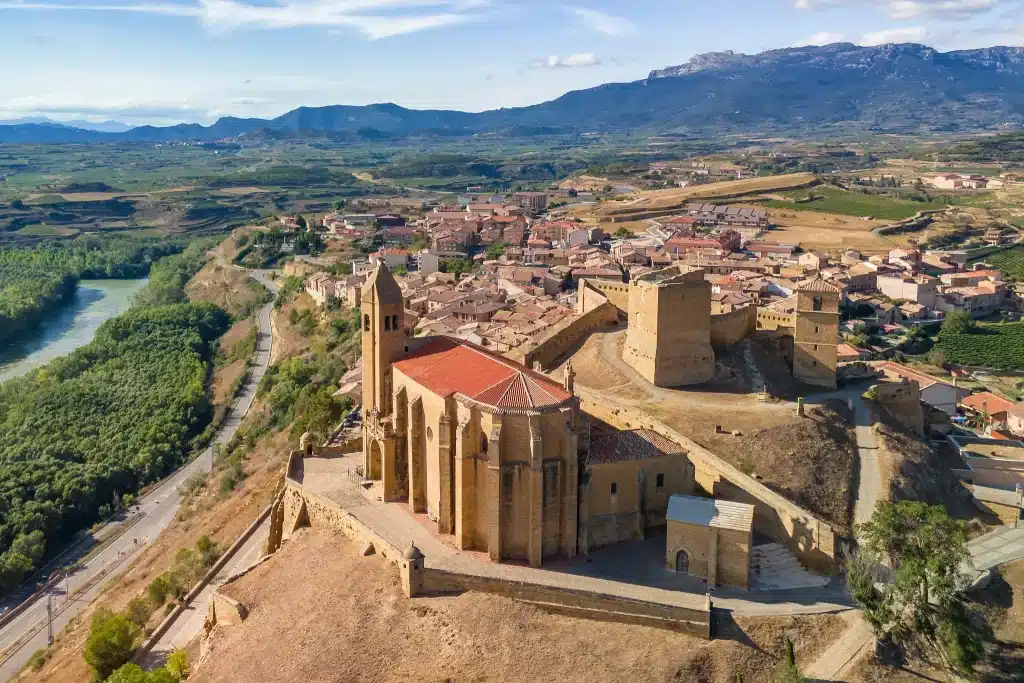
San Sebastián has an extraordinary concentration of Michelin stars and a beach that holds its own against anything on the Mediterranean. Bilbao turned its industrial past into the Guggenheim and hasn’t looked back. Along the coast, Santander is Cantabria’s elegant capital, close to the Paleolithic cave art at Altamira. Inland, La Rioja has been making serious wine since Roman times.
This is a region where a good local guide matters more than any single landmark. Best of Bilbao and the Cantabrian Coast spends five days across Bilbao, Santander and Santillana del Mar. La Rioja Regional Wine Discovery spends four days moving through the wine country, with a guide who knows which cellar doors to knock on. And if you want to keep going, Best of the Basque Country, Rioja & the French Coast is an eight-day route that crosses into France, taking in Bayonne, Biarritz and Saint-Jean-de-Luz along the way.
Andalusia’s White Villages


Everyone goes to Seville and Granada. Fewer people make it to the white villages, and they’re where the south feels most like itself. Carmona sits above the plains outside Seville, its history layered from Roman times through Moorish rule to the medieval period. Here we recommend staying at Parador de Carmona, a 14th century former castle transformed into a luxury boutique hotel. Arcos de la Frontera is one of the most dramatic of the hilltop pueblos blancos. Jerez de la Frontera is home to the world-famous sherry wine – a unique fortified wine that can only be made from the specific soil and climate of this region. If you are a wine enthusiast, this is a must-add to your Spain itinerary.
Andalusia White Villages, Paradores & Hidden Gems is a five-day journey through Carmona, Córdoba, Seville, Arcos de la Frontera, Jerez and Cádiz, staying in Paradores — historic buildings turned into hotels, unique to Spain. Prefer a broader introduction with company along the way? Southern Spain: Andalusian Delights covers the same storied region over eight days, in a small group.
Barcelona’s quieter coastline
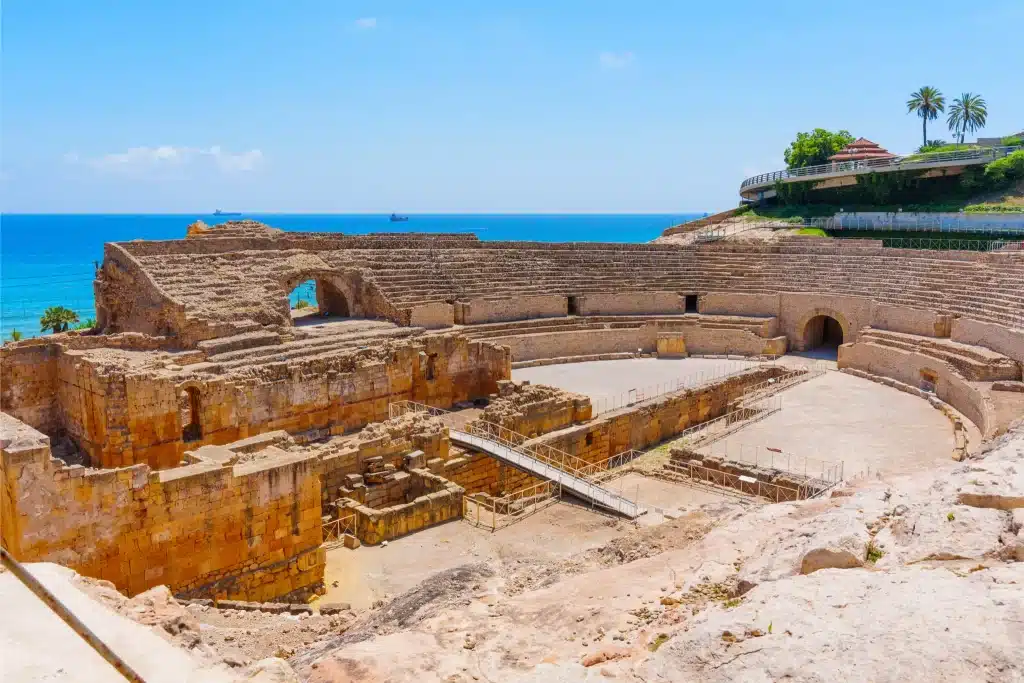
Everyone knows Barcelona’s beaches. An hour south, Costa Daurada is a different pace altogether. Roman ruins, vineyard-covered hills, and a much quieter stretch of Mediterranean coast. Tarragona’s amphitheatre looks straight out to sea, and the Priorat region just inland makes some of Spain’s boldest red wine.
Costa Daurada’s Golden Coast spends five days through Tarragona and Priorat, finishing with a sailing trip and lunch at a mussel farm on the Ebro Delta.
Where to start

You don’t have to choose between the Spain you already love and the Spain above. Every itinerary at Ormina Tours is private and fully customisable, and you can depart on any date you like. Add one on to a return trip, or build a whole new one around it.
Look through our Spain itineraries here, or get in touch and we will help you shape the next part of your Spanish journey.